Understanding the Dark Night
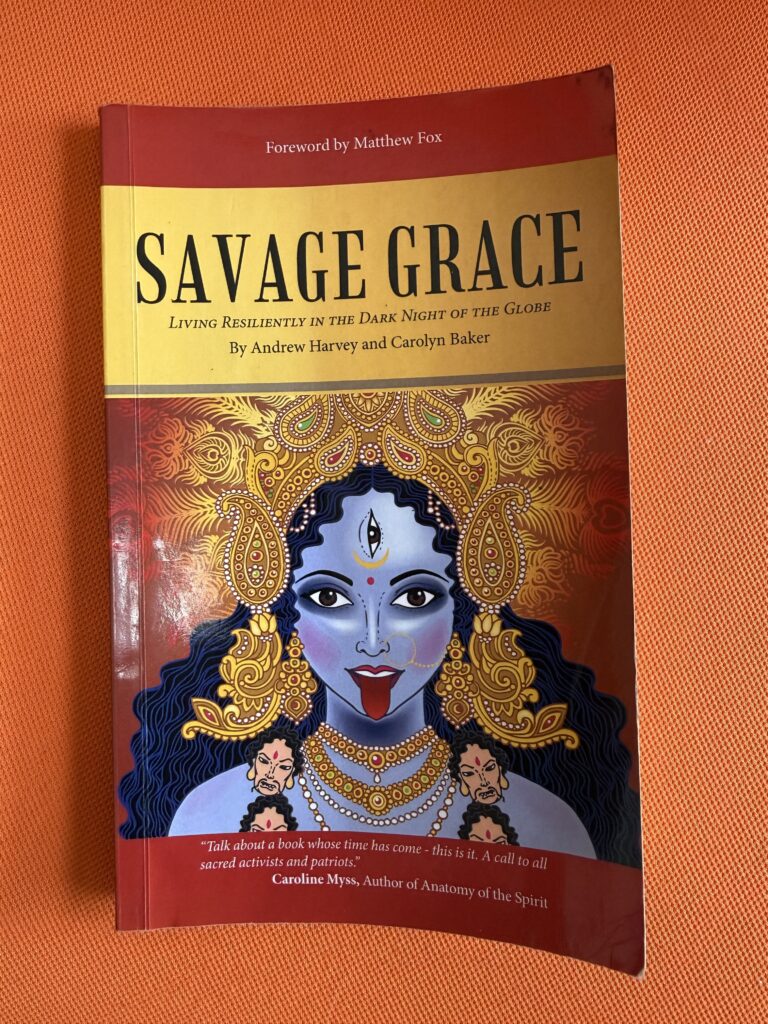
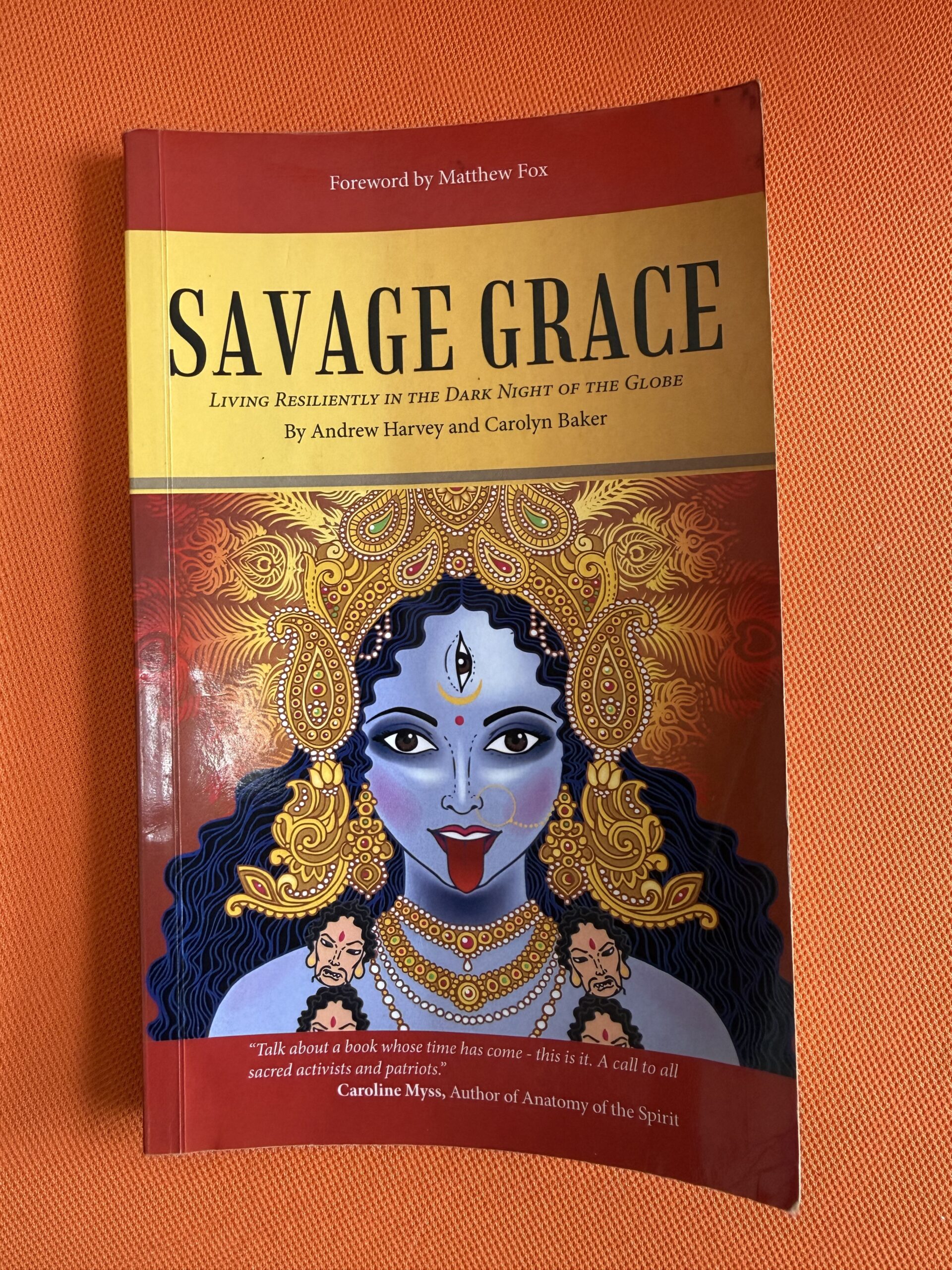
(p22-23) (p24) Savage Grace, Living Resiliently in the Dark Night of the Globe
Some ‘sober data’ to consider in regard to this dark night of the globe:
- 150 to 200 species of plant, insect, bird and mammal become extinct every 24 hours
- Global wildlife populations have decreased by nearly 60% since the 1970’s
- The loss of freshwater animals is closer to 80%
- The amount of coral reef lost is 50% (90% will be gone by 2030)
- It has long been known that the oceans absorb most of the worlds’ heat as a result of global warming
- The world’s’ oceans will be empty of fish by 2048
The worst thing that can happen is not energy depletion. It is not economic collapse. It is not nuclear war or conquest by a totalitarian government. The worst thing that can happen is the loss of genetic and species diversity by the destruction of natural habitats. This is the folly that our descendants are least likely to forgive.
“How did we get here?” asks the authors.
“Through our massive and largely unconscious disconnection from Self, from other, and from Earth. If we do not reconnect with each other by sharing our heartbreak, we will not be able to resist or live resiliently.”
How can we resist?
To attempt to resist while lacking an understanding of reconnection and consciously utilize reconnection practices increases one’s vulnerability and guarantees exhaustion resulting from struggling in isolation.
Our resistance must be informed by robust connection with self, others and earth. Moreover, to attempt to live resiliently without reconnection is to miss the essence of resilience . . . ‘the power or ability to return to the original form, position, etc., after being bent, compressed, or stretched; elasticity.”
Reconnection practices and resistance alongside trusted allies strengthen our resilience.