The Empathy of the Moon
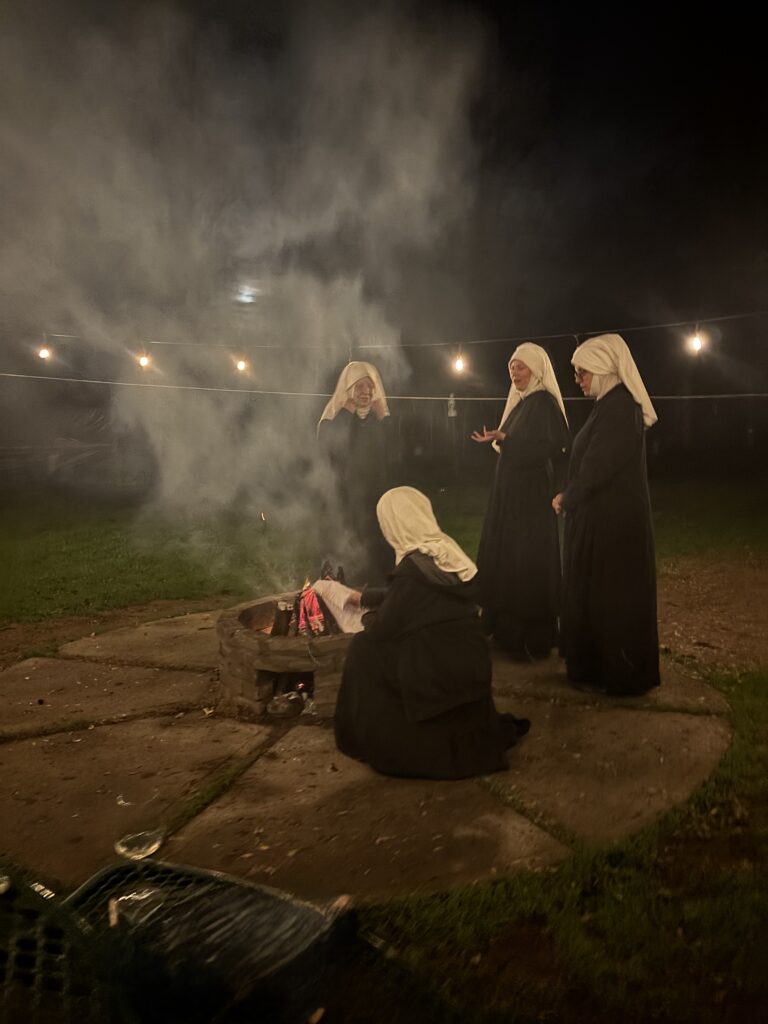
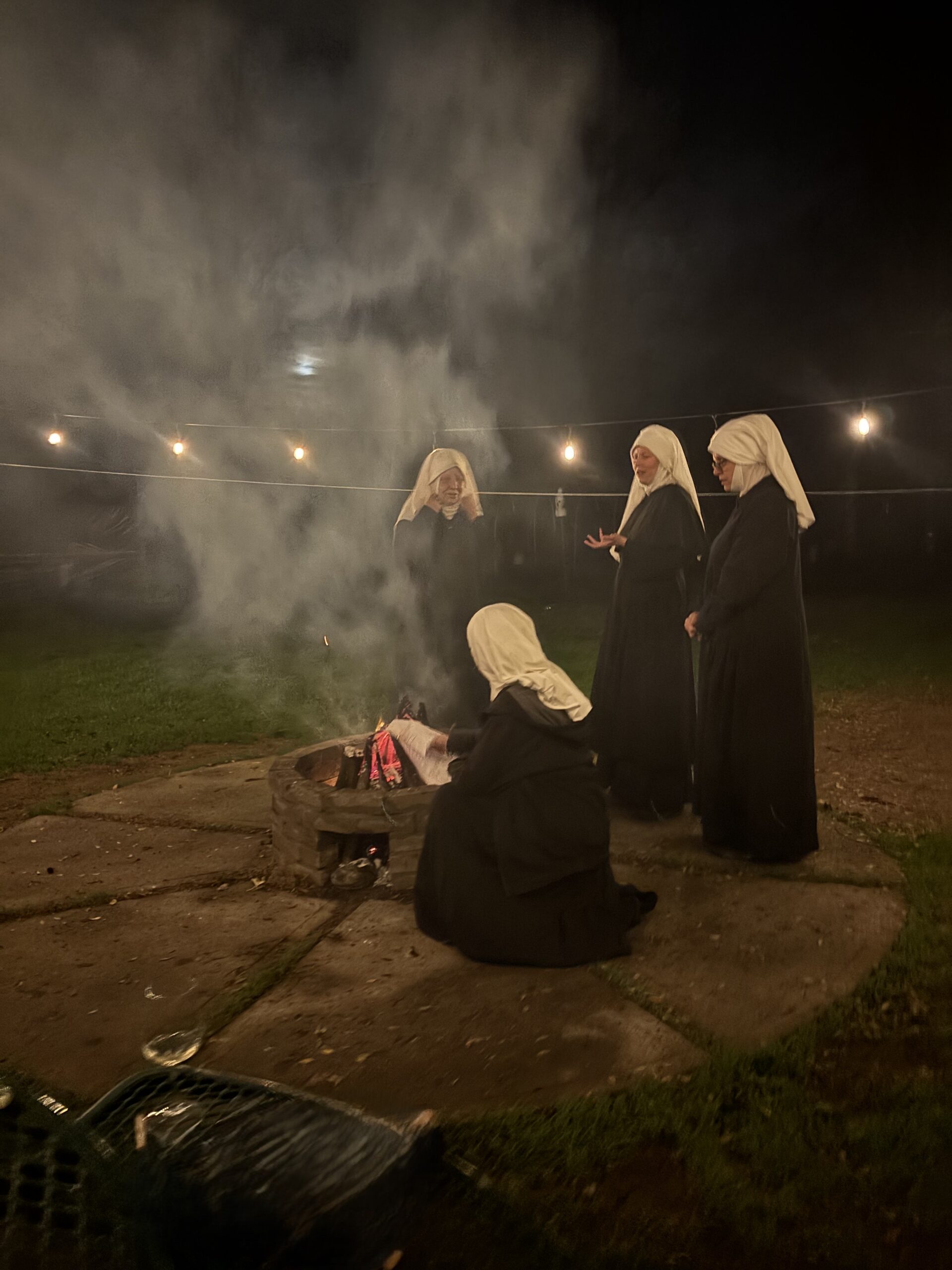
Cold Moon Ceremony December 13, 2016
All of the year’s full moons have names, that very based on the ancient tribe that gave them their names. “Amid the cold and deep snows of midwinter, the wolf packs howled hungrily outside Indian villages. Thus, the Native American name for January’s full moon is the Wolf Moon. Sometimes it was also referred to as the Old Moon, or the Moon After Yule. It is also known as the Full Snow Moon, Hay Moon, Buck Moon, Thunder Moon, Mead Moon . . . “ This is our Ice Moon.
The moon is the Earth’s other planet. Our moon is bigger than Pluto. And at roughly one-fourth the diameter of Earth, some scientists think the moon is more like a planet. They refer to the Earth-moon system as a “double planet.” Pluto and its moon Charon are also called a double-planet system by some.
The moon is Earth’s nearest cosmic neighbor, but it is more than just a big pretty light in the sky. For many reasons, the moon is like us, the people upon which her light shines.
#1 The moon was created when a rock the size of Mars slammed into Earth, shortly after the solar system began forming about 4.5 billion years ago. Just like a human birth, with trauma at its origins.
#2 It always shows us the same face. A lesson for the Sisters and the Brothers. A beacon of light mustn’t waver.
#3 It has phases, as do we. As the moon orbits Earth, it spends part of its time between us and the Sun, and the lighted half faces away from us. This is called a new moon. As the moon swings around on its orbit, a thin sliver of reflected sunlight is seen on Earth as a crescent moon. Once the Moon is opposite the Sun, it becomes fully lit from our view — a full moon. So the moon sits between the sun and the darkness, just as we, the people of the planet, sit between our goodness and our shadow selves.
#4 The moon appears to be alone, but it is not. In 1999, scientists found that a 3-mile- (5-kilometer-) wide asteroid may be caught in Earth’s gravitational grip, thereby becoming a satellite of our planet. Cruithne, as it is called, takes 770 years to complete a horseshoe-shaped orbit around Earth, the scientists say, and it will remain in a suspended state around Earth for at least 5,000 years. We, the people, often feel that we are alone. Of course, like our moon, we are not.
#5 The moon’s heavily cratered surface is the result of intense pummeling by space rocks between 4.1 billion and 3.8 billion years ago. Like the people of the planet, the moon is formed by hardship.
#6 The moon is an egghead; it is not perfectly round. The planet has its share of eggheads, as well, so we must conclude that perfection is not in the grand design, and neither a requirement for humans, nor their moons.
#7 It shivers and shakes, like people do. Apollo astronauts used seismometers during their visits to the moon and discovered that the gray orb isn’t a totally dead place, geologically speaking. Small moonquakes, originating several miles (kilometers) below the surface, are thought to be caused by the gravitational pull of Earth. Sometimes tiny fractures appear at the surface, and gas escapes – another metaphor for humans.
#8 Tides on Earth are caused mostly by the moon and the 29.5-day orbit around the earth. These tides have always been associated with the tides of a woman’s cycle and thusly, the moon is connected to women in a special way. The Sisters believe the energy of the moon to be healing for this reason.
#9 Like all of us, one day the moon will leave. As I read this, the moon is moving away from us. And as I read this, our children move away from us. We, as women, are tied to the moon. We as people, are tied to the moon, our second planet, our marker of days, our container of our medicine-making moon cycles, and our Sister in the heavens; our moon helps us understand ourselves and our earthly world.